Virtual Mirrors: How Video Games Became Safe Spaces for Gender Identity Exploration
An examination of how digital worlds offer unprecedented freedom for identity experimentation, featuring personal stories from players who discovered aspects of themselves through avatar creation and role-play.
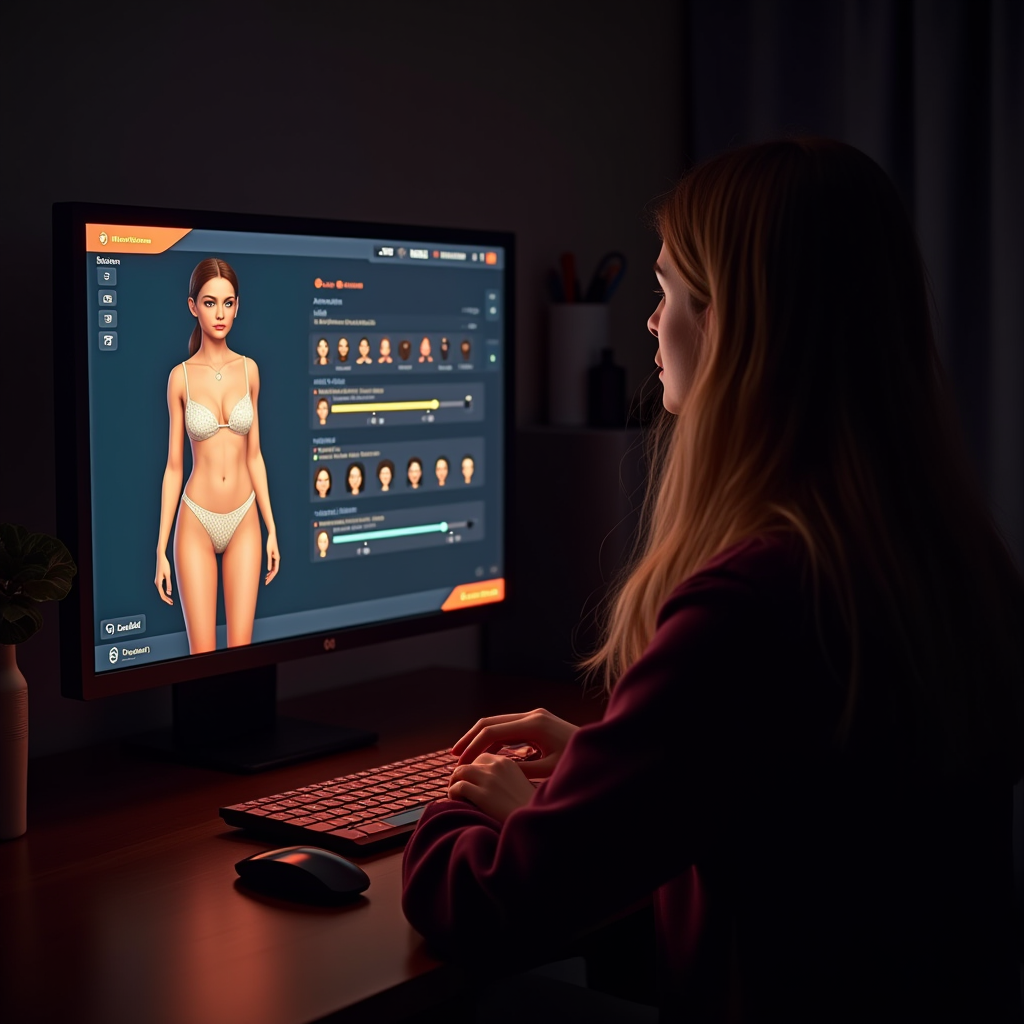
When Alex first loaded up Mass Effect in 2007, they made what seemed like a simple choice: creating Commander Shepard as female rather than male. It was just a game, after all—a chance to see the story from a different perspective. But something unexpected happened during those first few hours of gameplay. As they guided their character through the Citadel, making decisions and forming relationships, Alex felt a sense of rightness they couldn't quite articulate. The avatar on screen wasn't just a character; it was a reflection of something they'd been unable to express in their daily life.
"I remember pausing the game and just staring at my character," Alex recalls, now 34 and openly non-binary. "For the first time, I saw myself—not who I was supposed to be, but who I actually was. It sounds dramatic, but that digital avatar gave me permission to explore parts of my identity I'd been suppressing for years."
Alex's experience is far from unique. As video games have evolved to offer increasingly sophisticated character customization options, they've inadvertently become powerful tools for gender identity exploration. In virtual worlds where the constraints of physical reality dissolve, players can experiment with different presentations of self, test out pronouns, and experience life from perspectives that might feel impossible or unsafe to explore in their everyday lives.
The Psychology of Digital Self-Expression
Dr. Rachel Chen, a clinical psychologist specializing in gender identity and digital culture, explains that video games offer what she calls "low-stakes identity laboratories." Unlike real-world experimentation, which can involve social risk, financial cost, and potential danger, virtual environments provide a safe space for exploration.
" "When you create an avatar, you're not just choosing pixels and polygons. You're making decisions about how you want to be seen, how you want to move through a world, and how you want others to interact with you. These are fundamentally questions of identity." "
— Dr. Rachel Chen, Clinical Psychologist
The psychological significance of this digital experimentation cannot be overstated. For many individuals questioning their gender identity, the first step toward self-understanding doesn't happen in a therapist's office or through a coming-out conversation—it happens in front of a screen, adjusting sliders in a character creator.
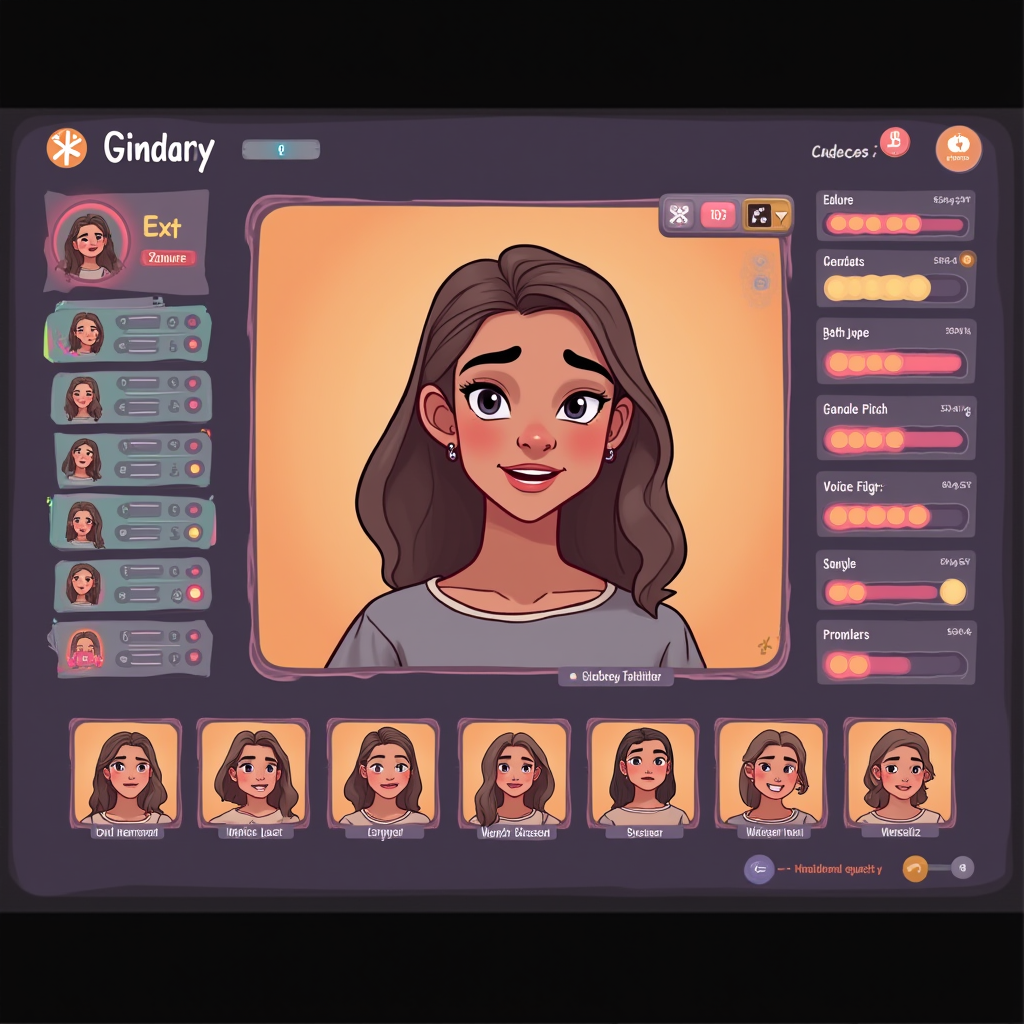
Research supports this phenomenon. A 2024 study published in the Journal of Gaming and Virtual Worlds found that 68% of transgender and non-binary gamers reported that playing as a character of a different gender than their assigned sex was an important part of their identity exploration journey. More strikingly, 43% said that their gaming experiences directly influenced their decision to explore their gender identity more openly in their offline lives.
The study's lead researcher, Dr. James Morrison, notes that games with robust customization options—titles like Cyberpunk 2077, The Sims series, Dragon Age, and Baldur's Gate 3—were most frequently cited as meaningful spaces for identity exploration. These games don't just allow players to choose between "male" or "female"; they offer nuanced options for body type, voice, pronouns, and presentation that reflect the complexity of real-world gender diversity.
Personal Stories: Finding Identity Through Pixels
Maya, a 27-year-old trans woman from Seattle, describes her experience with Final Fantasy XIV as transformative. "I started playing as a female character because I thought she looked cool," she explains. "But as I spent more time in the game, interacting with other players who saw me as a woman, used she/her pronouns for me, and treated me as just another girl in the guild—something clicked."
The social aspect of MMORPGs (Massively Multiplayer Online Role-Playing Games) adds another dimension to identity exploration. Unlike single-player games where experimentation is private, online games require players to present their chosen identity to a community. This social validation—or sometimes, unfortunately, invalidation—can be a powerful force in identity development.
For Maya, the experience of being consistently gendered correctly in-game—even by strangers who had no knowledge of her offline identity—provided a glimpse of what life could be like. "It wasn't just about the character model," she says. "It was about being seen and treated as myself. That experience gave me the courage to start my transition in real life."
Not all stories follow a linear path from virtual exploration to real-world transition. Jordan, a 31-year-old genderfluid individual, uses games as an ongoing tool for understanding their shifting sense of gender. "Some days I play as masculine characters, some days feminine, some days I choose the most androgynous options I can find," they explain. "Games let me express different facets of my identity without having to commit to one presentation in my physical life."
This flexibility is particularly valuable for individuals whose gender identity is fluid or non-binary. While society often demands consistency in gender presentation, virtual worlds allow for experimentation and change without judgment or explanation.
The Phenomenon of Cross-Gender Play
The practice of playing as a character whose gender differs from one's own—commonly called "cross-gender play"—has been a feature of gaming since the earliest days of character customization. However, the motivations and meanings behind this practice are far more complex than often assumed.
A comprehensive survey conducted by the Gaming and Identity Research Collective in 2024 revealed surprising statistics: approximately 54% of all players have played as a character of a different gender at some point, with the numbers rising to 73% among players under 30. The reasons cited varied widely, from aesthetic preferences to strategic advantages to genuine identity exploration.
Why Players Choose Different Gender Presentations
- •Identity exploration and self-discovery (32%)
- •Aesthetic preferences and character design (28%)
- •Experiencing different perspectives and narratives (18%)
- •Strategic or gameplay advantages (12%)
- •Social dynamics and community interaction (10%)
What's particularly interesting is how these motivations can overlap and evolve. Many players who initially choose a different gender for superficial reasons—"I just liked the armor design better"—find themselves unexpectedly connecting with the experience in deeper ways.

Marcus, a cisgender man who regularly plays female characters, offers his perspective: "I started doing it because I was tired of the same gruff male protagonist in every game. But over time, I realized it was teaching me something about empathy and perspective. When NPCs treat my character differently because she's a woman, when I experience sexism in online games, it's eye-opening. It doesn't compare to actually living that experience, but it's made me more aware."
This highlights an important distinction: while cross-gender play can be a tool for identity exploration for some, for others it's a means of developing empathy and understanding. Both uses are valuable, though they serve different purposes and shouldn't be conflated.
Game Design and Inclusive Identity Options
The gaming industry's approach to gender and identity has evolved dramatically over the past decade. Where once players were limited to binary choices—often with significant gameplay differences between "male" and "female" characters—modern games increasingly offer nuanced, inclusive options.
Baldur's Gate 3, released in 2024, became a landmark title for its approach to character creation. The game separates body type from gender identity, allows players to choose pronouns independently, and includes options for various physical characteristics without locking them to specific gender categories. Players can create characters with traditionally masculine body types who use she/her pronouns, or feminine-presenting characters who use they/them pronouns, or any combination that feels authentic.
Larian Studios' approach wasn't just progressive—it was practical. By decoupling physical appearance from gender identity, they created a system that better reflects the reality of human diversity while also giving players unprecedented freedom in self-expression.
" "When we designed the character creator, we wanted players to be able to create themselves—whoever that self might be. The positive response showed us that players were hungry for this kind of representation and freedom." "
— Swen Vincke, Larian Studios CEO
Other games have taken different approaches to inclusivity. The Sims 4 removed gender restrictions entirely in 2016, allowing players to customize any aspect of their Sims regardless of the gender marker. Cyberpunk 2077, despite its troubled launch, offered extensive body customization options and the ability to choose voice and pronouns independently.
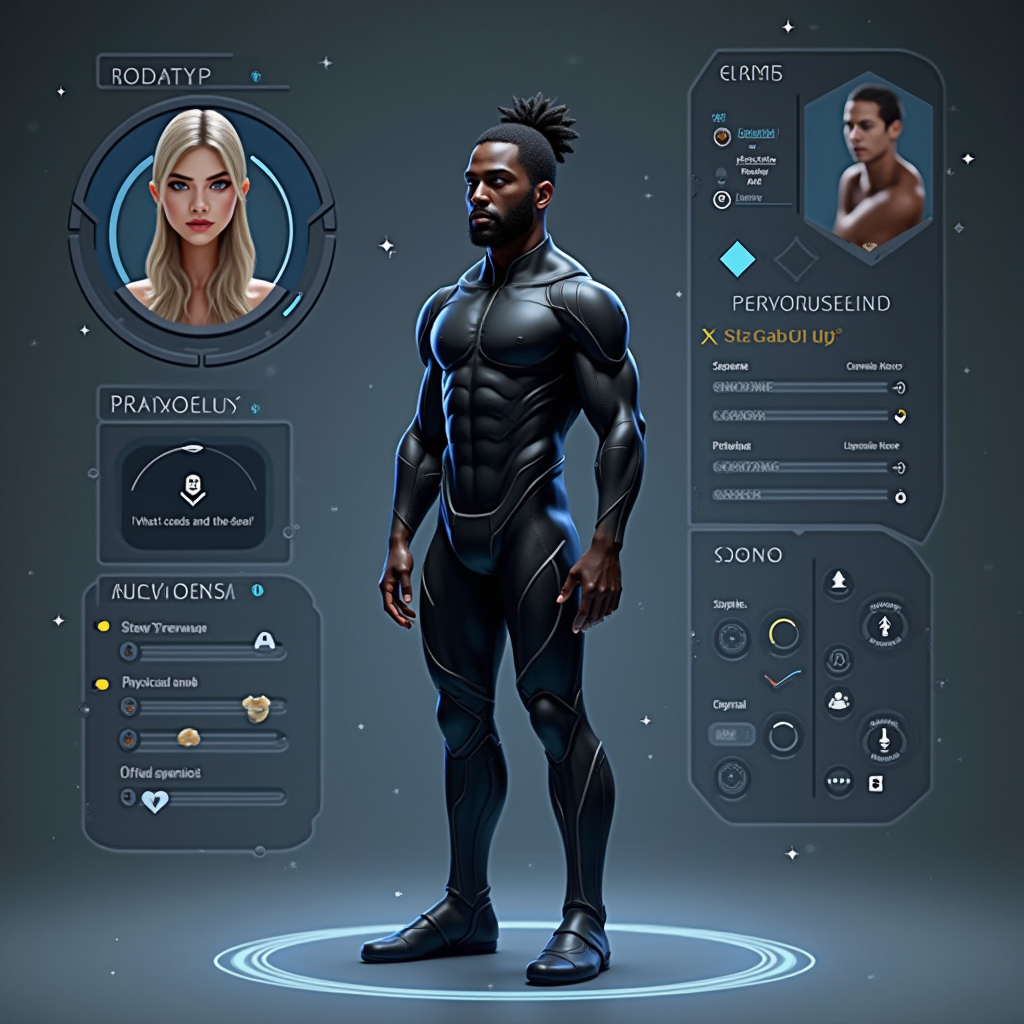
These design choices matter. For players exploring their identity, the difference between a game that offers "male or female" versus one that provides nuanced options for self-expression can be profound. It's the difference between being forced into a box and being given the tools to define yourself.
However, inclusive design isn't just about adding options—it's about thoughtful implementation. Games that include diverse gender options but then misgender characters in dialogue, or that treat non-binary identities as jokes, can do more harm than good. True inclusivity requires consistency throughout the entire game experience.
Virtual Spaces as Safe Havens
For many individuals questioning or exploring their gender identity, physical spaces can feel hostile or unsafe. Family homes, schools, workplaces—these environments often enforce rigid gender norms and punish deviation. In contrast, virtual worlds can offer refuge.
Sam, a 19-year-old trans man, describes how gaming provided a lifeline during his teenage years. "I couldn't come out at home. My parents are very traditional, and I knew they wouldn't understand. But in World of Warcraft, I could be myself. My guild knew me as Sam, used he/him pronouns, and treated me like any other guy. For a few hours each day, I got to live authentically."
This aspect of gaming—the ability to find community and acceptance in virtual spaces when physical spaces feel unwelcoming—cannot be understated. Online gaming communities, while not without their problems, can provide crucial support networks for individuals exploring their identity.
Dr. Chen emphasizes the importance of these virtual safe spaces: "For young people especially, having a place where they can explore their identity without immediate real-world consequences can be psychologically vital. It allows them to develop self-understanding and confidence before facing potentially hostile environments."
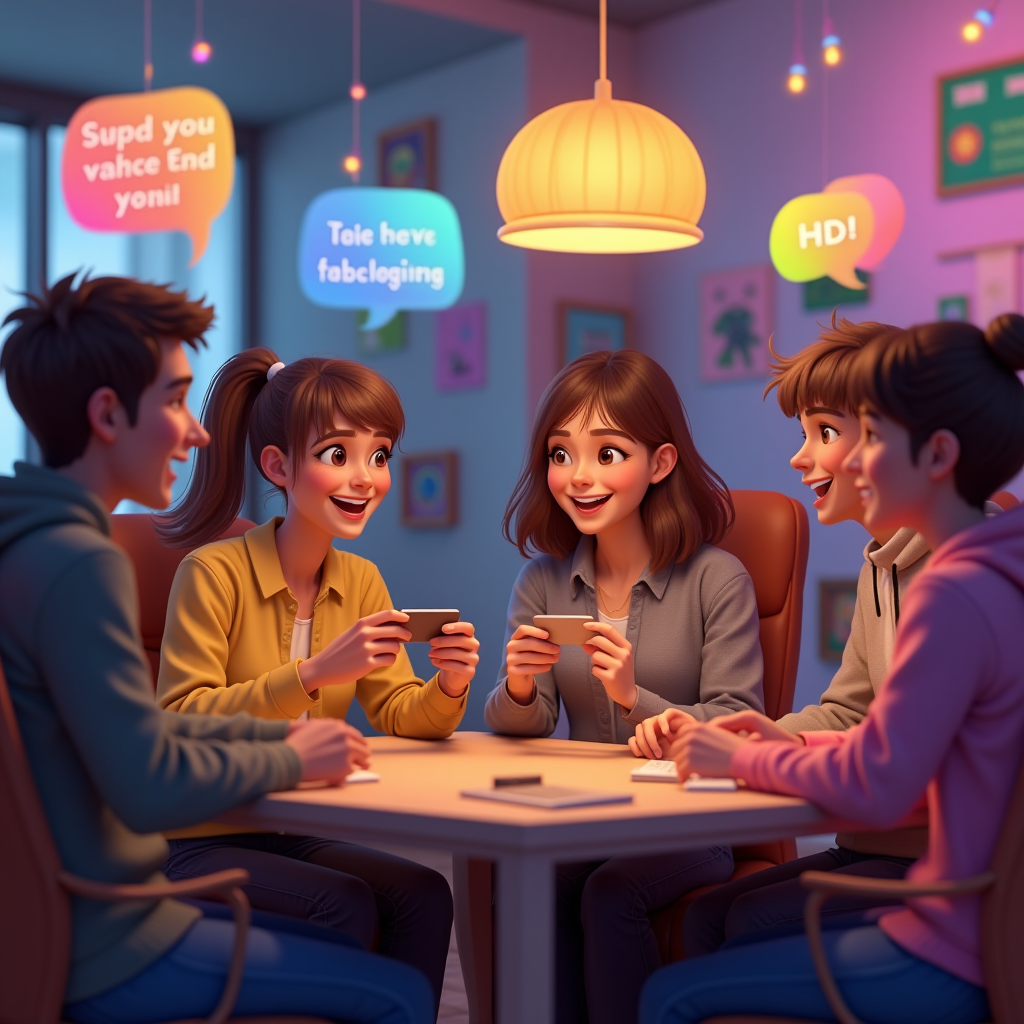
However, it's important to acknowledge that not all gaming spaces are safe or welcoming. Toxicity, harassment, and transphobia remain significant problems in many gaming communities. The existence of supportive spaces doesn't negate the need for continued work to make all gaming environments more inclusive.
Organizations like the LGBTQ+ Gaming Community and initiatives like the AnyKey organization work to create safer spaces within gaming culture, providing resources for both players and developers to foster more inclusive environments.
The Bridge Between Virtual and Physical Identity
One of the most fascinating aspects of gaming as an identity exploration tool is how experiences in virtual worlds can translate to real-world self-understanding and action. For many individuals, the journey from creating a character to living authentically follows a recognizable pattern.
First comes experimentation—trying out different presentations in games, seeing what feels right. Then comes recognition—the moment when a player realizes that their connection to their avatar reflects something deeper about their own identity. Next is validation—finding community and acceptance in gaming spaces. Finally, for some, comes integration—taking the self-knowledge gained in virtual spaces and applying it to physical life.
This progression isn't universal or linear. Some people explore gender in games without it reflecting their real-world identity. Others may find that their virtual experimentation helps them understand that they're comfortable with their assigned gender but enjoy the freedom of expression that games provide. Both outcomes are valid.
Key Insights from Identity Exploration Research
Studies on gaming and gender identity have revealed several important patterns:
- →Virtual identity exploration typically precedes real-world exploration by 6-18 months
- →Players who find supportive communities online report higher confidence in identity exploration
- →Games with robust customization options are more effective tools for identity exploration than those with limited options
- →Social validation in gaming spaces can significantly impact real-world identity development
Elena, a 25-year-old non-binary person, describes their journey: "I spent two years playing characters across the gender spectrum before I even had the vocabulary to describe what I was feeling. Games gave me a safe space to figure out that I wasn't comfortable with either binary option. When I finally learned about non-binary identities, it was like everything clicked into place. My gaming experiences had already shown me who I was—I just needed the words to describe it."
This highlights the educational aspect of gaming as well. For many people, especially those in communities with limited LGBTQ+ visibility, games can be an introduction to the diversity of gender identities and expressions that exist in the world.
Challenges and Limitations
While video games offer valuable opportunities for identity exploration, it's important to acknowledge their limitations and potential pitfalls. Virtual experimentation, while meaningful, cannot fully replicate the lived experience of navigating the world with a particular gender identity.
Dr. Morrison cautions against over-relying on gaming experiences: "Virtual spaces are valuable tools, but they're not substitutes for real-world support, therapy, and community. A player might feel completely comfortable presenting as a certain gender in a game but find the physical and social realities of transition much more complex."
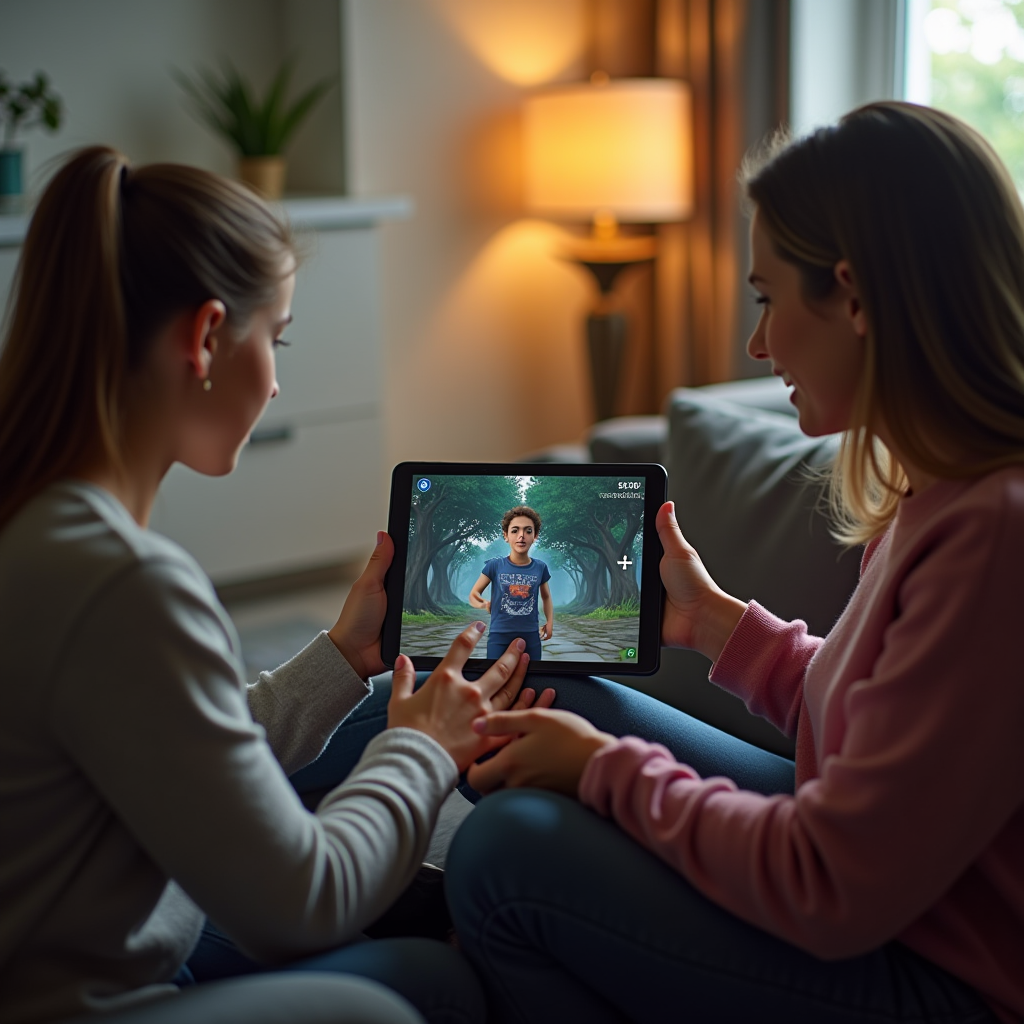
Additionally, the gaming industry still has significant work to do in terms of representation and inclusivity. Many games continue to offer only binary gender options, or include trans and non-binary characters only as stereotypes or jokes. The progress made by some developers hasn't yet become industry standard.
There's also the issue of accessibility. Not everyone has access to games with robust character customization, whether due to financial constraints, lack of appropriate hardware, or other barriers. The benefits of gaming as an identity exploration tool are not equally available to all who might benefit from them.
Furthermore, toxic gaming communities can make virtual spaces feel as unsafe as physical ones. Harassment, doxxing, and targeted abuse of LGBTQ+ players remain serious problems that can turn what should be safe spaces into sources of trauma.
Looking Forward: The Future of Identity in Gaming
As technology advances and social understanding of gender diversity deepens, the potential for games to serve as tools for identity exploration will only grow. Virtual reality, in particular, offers intriguing possibilities for embodied experiences of different gender presentations.
Early VR experiences suggest that the immersive nature of virtual reality can create even more powerful opportunities for identity exploration. When players can see their virtual body from a first-person perspective, interact with the world through that body, and receive social feedback based on their presentation, the experience becomes more visceral and potentially more meaningful.
However, with these opportunities come responsibilities. Game developers must continue to prioritize inclusive design, not as an afterthought but as a fundamental aspect of game creation. This means consulting with LGBTQ+ communities, hiring diverse development teams, and being willing to update and improve representation based on feedback.
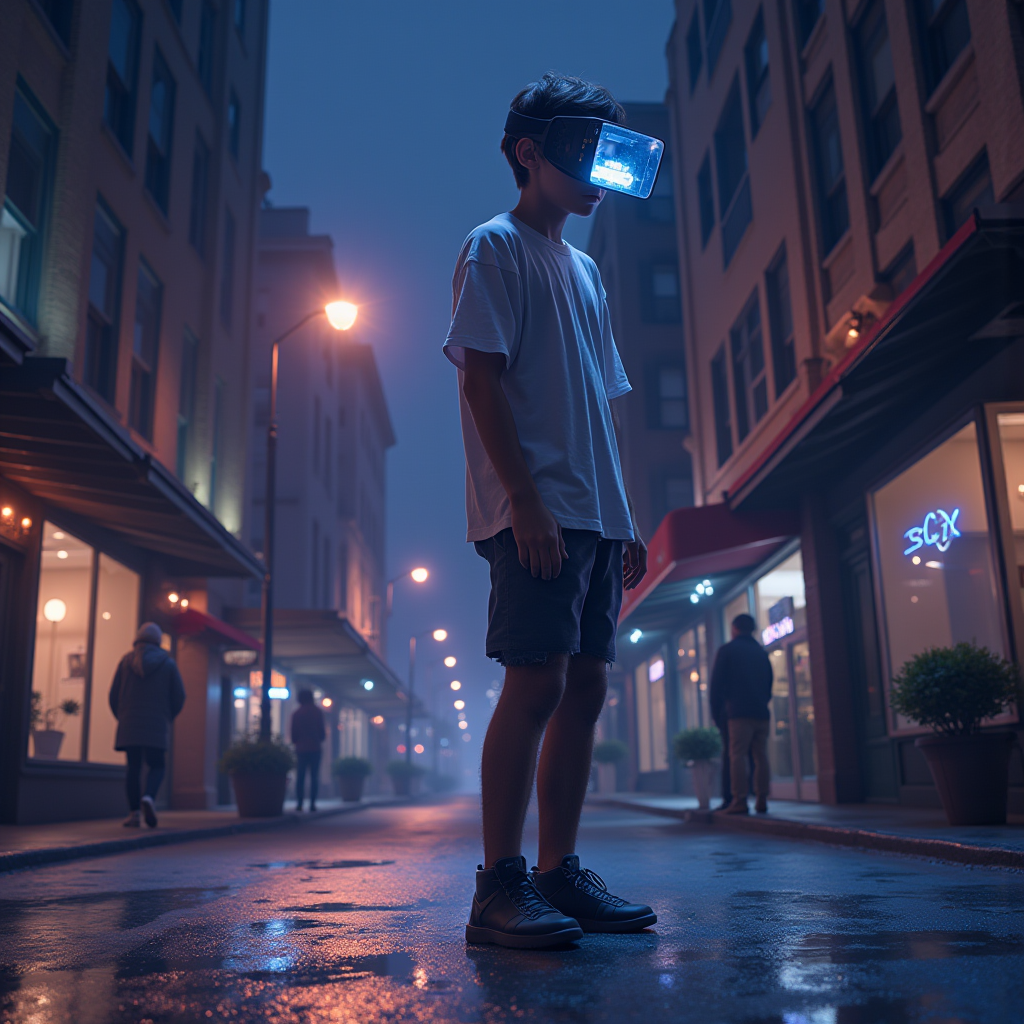
The gaming community also has a role to play in creating safer, more welcoming spaces. This means actively combating toxicity, supporting LGBTQ+ players, and recognizing that games can be more than entertainment—they can be tools for self-discovery and personal growth.
Educational institutions and mental health professionals are beginning to recognize the value of gaming in identity exploration as well. Some therapists now incorporate discussions of gaming experiences into their work with clients exploring gender identity, using virtual experiences as a starting point for deeper conversations about self-understanding.
Conclusion: The Power of Virtual Mirrors
Video games have evolved from simple entertainment into complex virtual worlds that offer unprecedented opportunities for self-expression and identity exploration. For individuals questioning or exploring their gender identity, these digital spaces can serve as safe laboratories where experimentation carries no physical risk and where community and validation might be more accessible than in physical life.
The stories of players like Alex, Maya, Jordan, Sam, and Elena illustrate the profound impact that virtual identity exploration can have. Through avatar creation, role-play, and social interaction in gaming spaces, these individuals found pathways to self-understanding that might have been much more difficult to access otherwise.
However, it's crucial to remember that games are tools, not solutions. They can facilitate exploration and provide valuable experiences, but they work best as part of a broader support system that includes real-world community, professional guidance when needed, and safe spaces for authentic expression.
As the gaming industry continues to evolve, the hope is that inclusive design will become standard rather than exceptional. Every player deserves the opportunity to see themselves reflected in the games they play, to experiment with identity in safe spaces, and to find community and acceptance in virtual worlds.
The virtual mirrors that games provide aren't perfect reflections of reality, but they offer something equally valuable: the freedom to explore who we are without the constraints and dangers that sometimes exist in physical spaces. In pixels and polygons, players are finding themselves—and that discovery is changing lives.
Note: If you or someone you know is exploring gender identity, remember that professional support is available. Organizations like The Trevor Project, PFLAG, and local LGBTQ+ community centers offer resources, counseling, and support for individuals at any stage of their identity journey.