Published on September 15, 2024
The Mirror and the Mask: What Your Character Creation Choices Reveal About Your Inner Self

When you sit down to create your first character in a new game, you're not just choosing hairstyles and facial features. You're making a profound psychological statement about who you are, who you wish to be, or who you're curious to explore becoming.
The character creation screen has become one of gaming's most intimate spaces—a digital mirror that reflects not just our physical appearance, but our deepest aspirations, insecurities, and curiosities. Whether you spend three minutes or three hours adjusting sliders and selecting options, the choices you make reveal layers of psychological complexity that researchers are only beginning to understand.
The Three Archetypes of Character Creation
Dr. Sarah Chen, a psychologist specializing in digital identity at Stanford University, has identified three primary patterns in how players approach character customization. These patterns, she argues, correspond to different psychological needs and modes of self-expression.
The Mirror Players: Recreating Reality
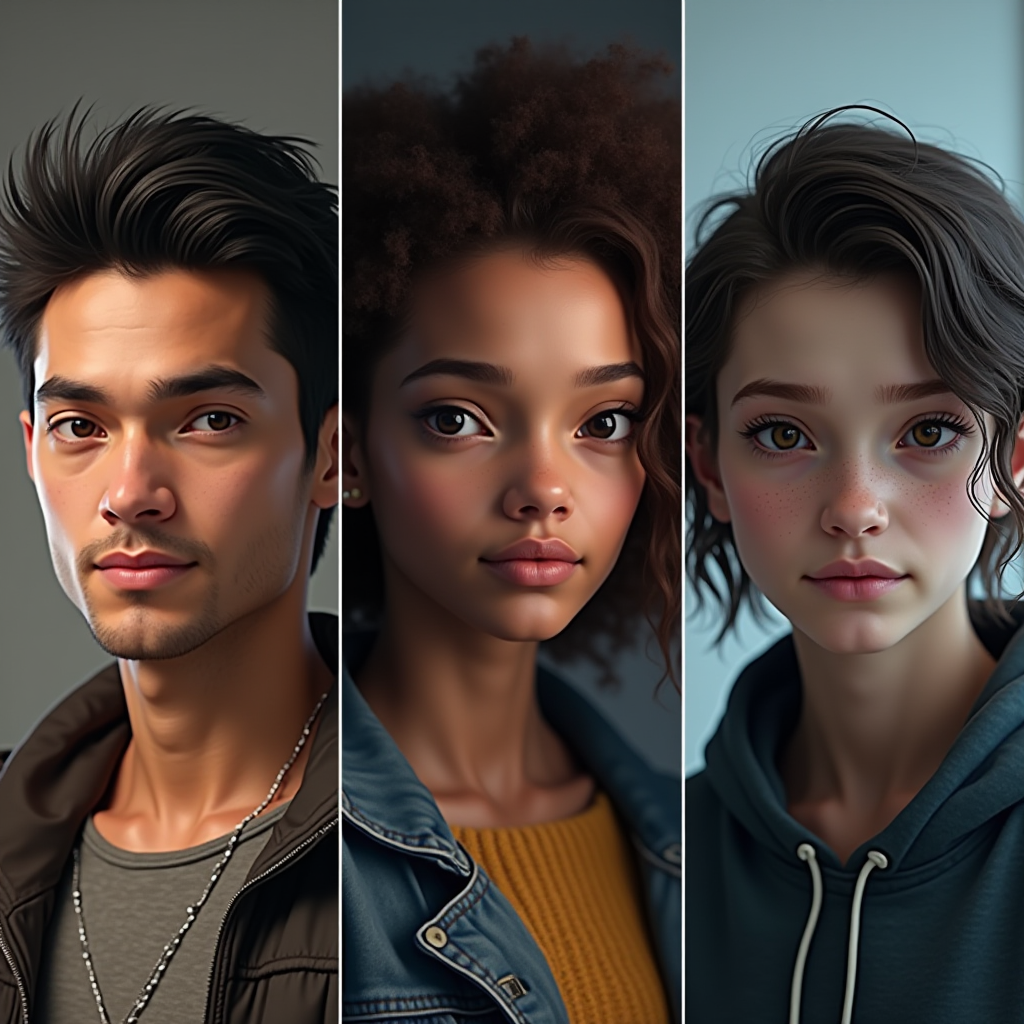
Approximately 35% of players attempt to recreate their physical appearance as accurately as possible. These "mirror players" spend considerable time matching skin tones, adjusting facial proportions, and selecting hairstyles that mirror their real-world appearance. But this isn't simply narcissism or lack of imagination—it's a sophisticated form of self-integration.
"When players recreate themselves in games like Cyberpunk 2077 or The Sims, they're engaging in a form of digital self-affirmation," explains Dr. Chen. "They're saying, 'This is who I am, and I'm comfortable bringing my authentic self into this virtual space.' It's actually a sign of strong self-acceptance and identity coherence."
Mirror players often report feeling more emotionally connected to their characters' experiences. When their avatar succeeds, they feel personal pride. When their character faces moral dilemmas, they respond as they would in real life. This approach creates a seamless bridge between physical and virtual identity, allowing for genuine emotional investment in the gaming experience.
The Idealized Self: Aspiration Made Visible
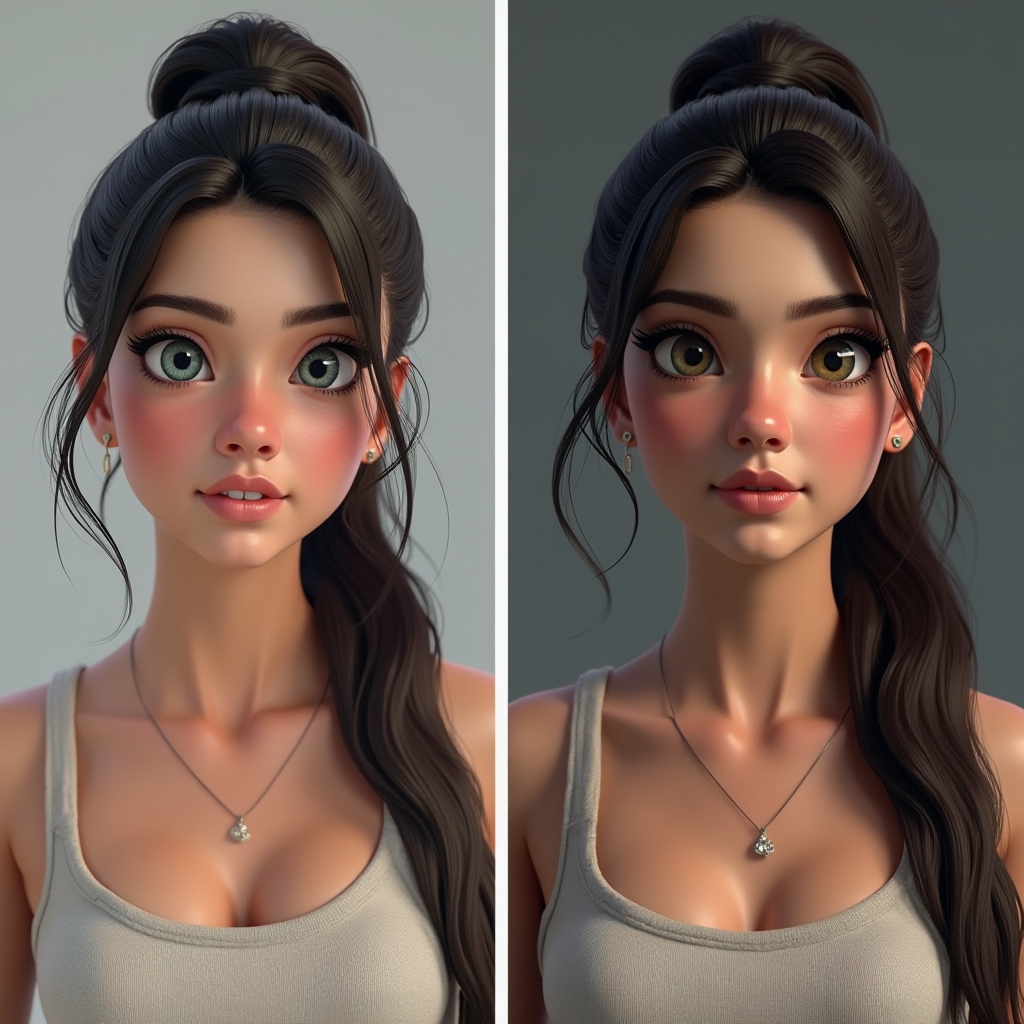
The largest group—roughly 45% of players—creates idealized versions of themselves. They maintain recognizable features but enhance them: adding muscle definition, adjusting proportions, perfecting symmetry, or choosing more conventionally attractive features. This is the realm of wish fulfillment, but it's far more psychologically nuanced than simple vanity.
Research Insight
A 2024 study published in the Journal of Gaming Psychology found that players who created idealized avatars showed increased confidence in real-world social situations after extended gameplay sessions. The researchers theorized that embodying an idealized self, even virtually, can strengthen neural pathways associated with self-efficacy and positive self-image.
Dr. Marcus Rodriguez, a behavioral psychologist at MIT, notes that idealized character creation serves as a form of "aspirational rehearsal." Players aren't just fantasizing—they're mentally practicing being the person they want to become. In games like Saints Row, where character customization is extensive, players often create versions of themselves that embody qualities they're working to develop: confidence, strength, charisma, or style.
The Explorers: Embracing the Opposite
The remaining 20% of players create characters that are dramatically different from their physical appearance—different genders, ethnicities, body types, or even species. These "explorer players" use character creation as a tool for perspective-taking and identity experimentation.
"This is where gaming becomes genuinely transformative," says Dr. Chen. "When a cisgender man creates a female character, or when someone creates an avatar of a different ethnicity, they're engaging in a form of empathy training. They're literally trying to see the world through different eyes."
Research shows that explorer players often demonstrate higher levels of empathy and perspective-taking ability in psychological assessments. The act of inhabiting a radically different identity, even in a game, can challenge assumptions and broaden understanding of diverse experiences.
The Psychology of Specific Choices
Beyond these broad categories, individual customization choices reveal fascinating psychological patterns. Researchers have begun mapping correlations between specific character creation decisions and personality traits, emotional states, and life circumstances.
Facial Features and Emotional Expression
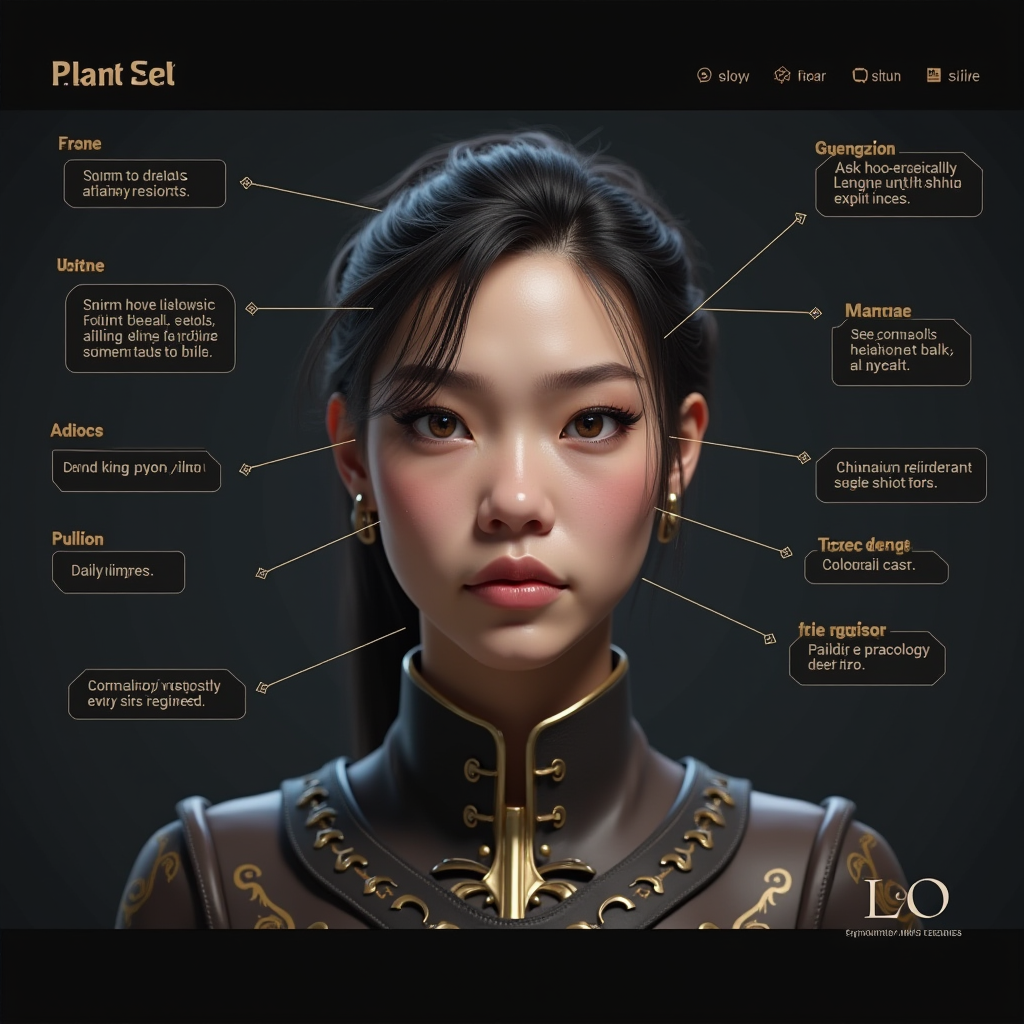
Players who create characters with softer, more rounded facial features tend to score higher on agreeableness and empathy scales. Those who choose sharper, more angular features often correlate with higher competitiveness and achievement orientation. Interestingly, players going through difficult life transitions frequently create characters with neutral or ambiguous expressions—a visual representation of emotional uncertainty.
Eye customization reveals particularly rich psychological data. Players who spend significant time on eye details—color, shape, intensity—often report feeling "seen" or understood in their daily lives is important to them. The eyes, as windows to the soul, become a focal point for expressing inner emotional life that may feel invisible in the physical world.
Body Type and Self-Perception
Body customization choices are deeply revealing. Research by Dr. Jennifer Walsh at the University of California found that players' avatar body types often represent either their current self-image or their body-related goals. Players struggling with body image issues might create either idealized physiques (aspirational) or exaggerated opposite extremes (exploratory).
Games like The Sims, which offer diverse body type options, have become unexpected tools for body positivity. Players report that creating and playing characters with body types similar to their own—and seeing those characters succeed, find love, and live fulfilling virtual lives—can positively impact real-world self-perception.
Clinical Application
Some therapists now incorporate character creation exercises into treatment for body dysmorphia and eating disorders. By creating avatars and observing their emotional responses to different body types, patients can explore their self-perception in a safe, controlled environment.
Style, Fashion, and Social Identity
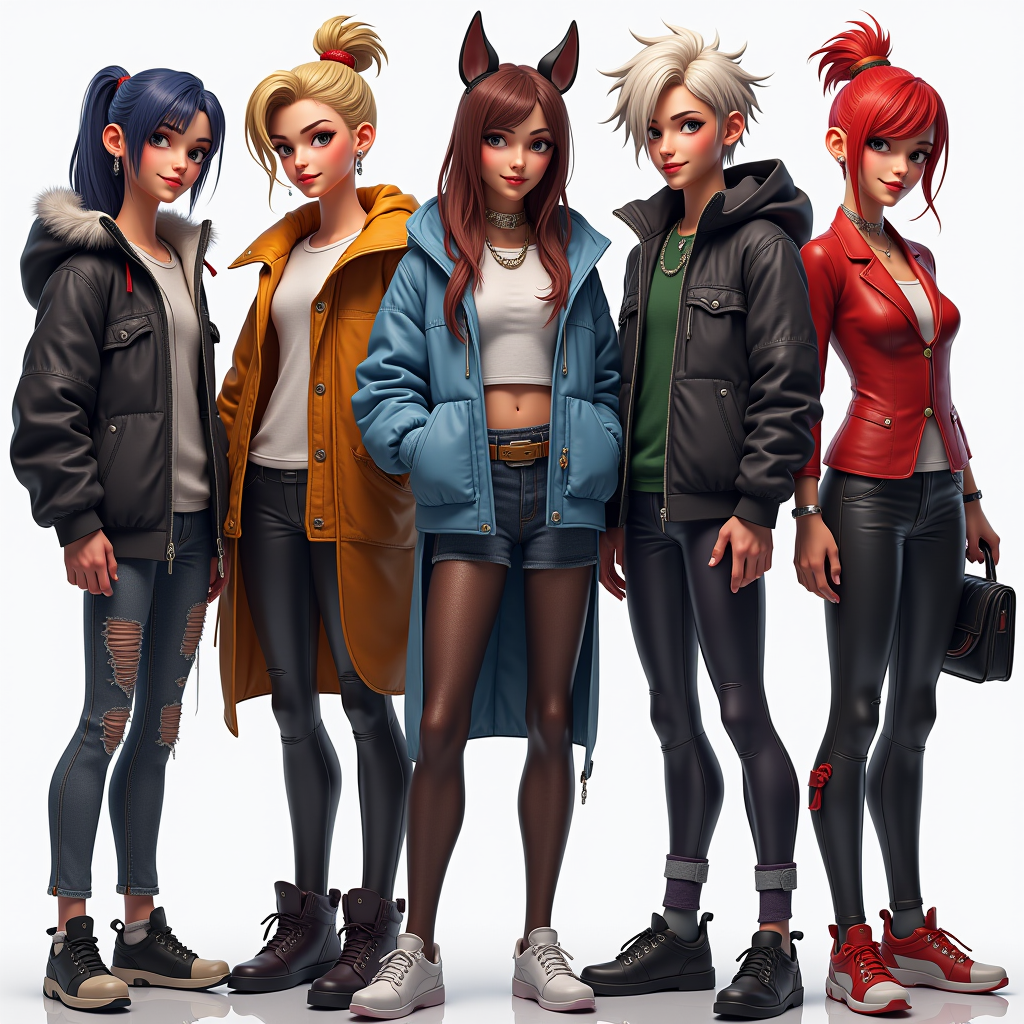
Clothing and style choices in character creation reveal social identity and group affiliation desires. Players who choose edgy, alternative styles often score higher on openness to experience and non-conformity. Those selecting classic, traditional looks tend toward higher conscientiousness and preference for social harmony.
In Cyberpunk 2077, where fashion is a core element of identity, researchers found that players' style choices correlated with their real-world fashion confidence. Players who felt constrained by dress codes or social expectations in real life often created flamboyantly dressed characters—a form of vicarious self-expression.
Gender and Identity Exploration
Perhaps no aspect of character creation has proven more psychologically significant than gender selection and customization. For many players, particularly those questioning their gender identity, character creation provides a safe space for exploration and experimentation.
Dr. Alex Thompson, who specializes in LGBTQ+ psychology and gaming, has documented numerous cases of players discovering or clarifying their gender identity through repeated character creation experiences. "For someone questioning their gender, creating and inhabiting an avatar of a different gender can be revelatory," Thompson explains. "It's not just visual—it's about how it feels to be addressed with different pronouns, to see yourself represented differently, to imagine yourself in that identity."
Games with robust gender customization options, including non-binary choices, have become particularly important for gender-diverse players. The ability to create an avatar that truly represents one's identity—even if that identity doesn't align with traditional binary options—can be profoundly validating.
Player Testimony
"I spent years creating female characters in every game I played, telling myself it was just because I preferred looking at female avatars. It took a therapist pointing out this pattern for me to realize I was exploring my own gender identity. Those character creation screens were my first safe space to be myself." — Jamie, 28, transgender woman
The Time Investment Factor
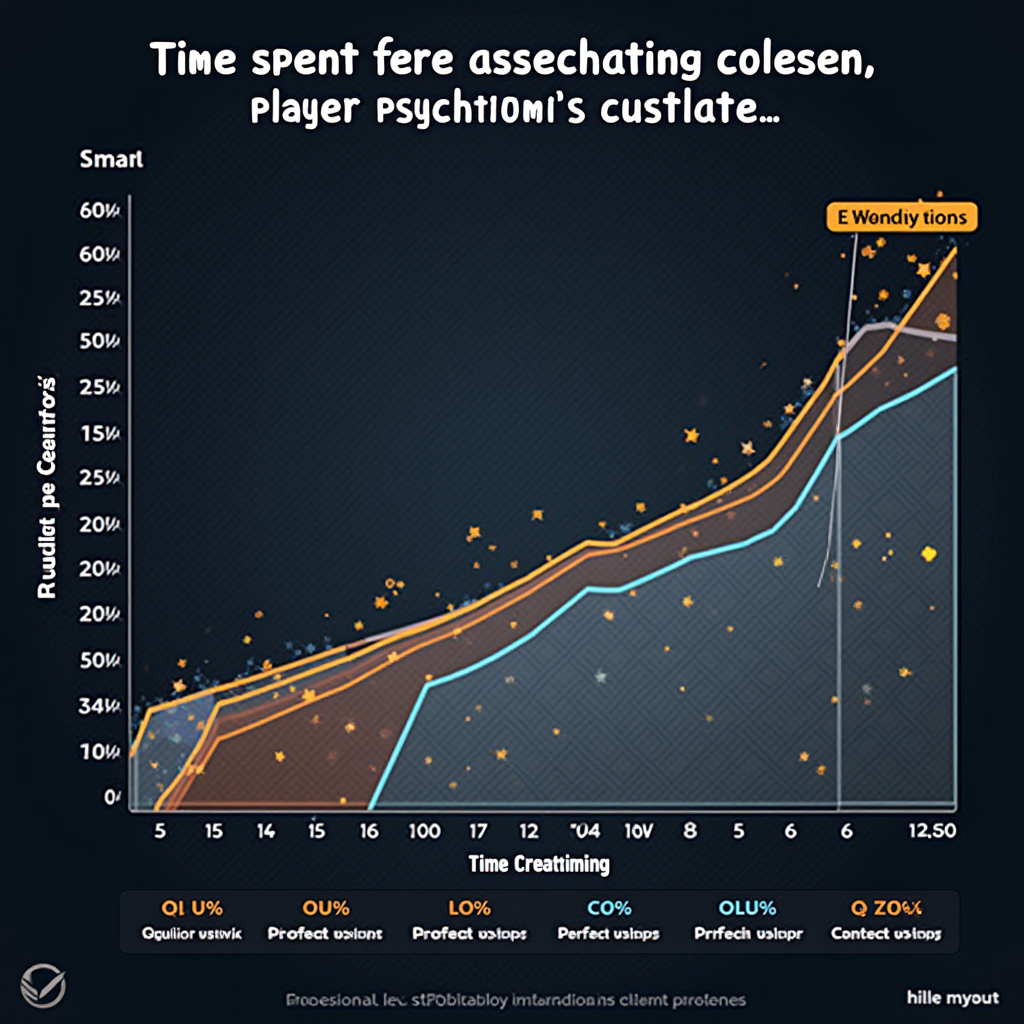
The amount of time players spend in character creation is itself psychologically revealing. Research shows distinct patterns based on time investment, with each level of engagement corresponding to different psychological needs and gaming motivations.
The Quick Creators (Under 5 Minutes)
Players who spend minimal time on character creation tend to be action-oriented and gameplay-focused. They view the avatar as a functional tool rather than an extension of self. These players often score higher on pragmatism and lower on aesthetic sensitivity. Interestingly, they're also more likely to use default or preset options, suggesting comfort with external definitions of identity.
The Deliberate Designers (15-45 Minutes)
The majority of players fall into this category, spending moderate time crafting their character. They balance aesthetic concerns with eagerness to begin gameplay. These players typically have clear self-concepts and can translate their identity vision into avatar form relatively efficiently. They represent healthy self-awareness combined with goal-directed behavior.
The Perfectionist Customizers (Over 1 Hour)
Players who spend extensive time in character creation—sometimes hours—reveal fascinating psychological complexity. Some are perfectionists seeking ideal aesthetic outcomes. Others are using the creation process itself as a form of meditation or self-exploration. Many report that the character creation phase is as enjoyable as the game itself.
"For some players, character creation is where the real game begins," notes Dr. Rodriguez. "They're not just making a character—they're crafting a complete identity, backstory, and personality. The time investment reflects the psychological importance of this virtual self."
Cultural and Demographic Patterns
Character creation choices also reveal cultural influences and demographic patterns. Research across different gaming populations has uncovered fascinating variations in how different groups approach avatar customization.
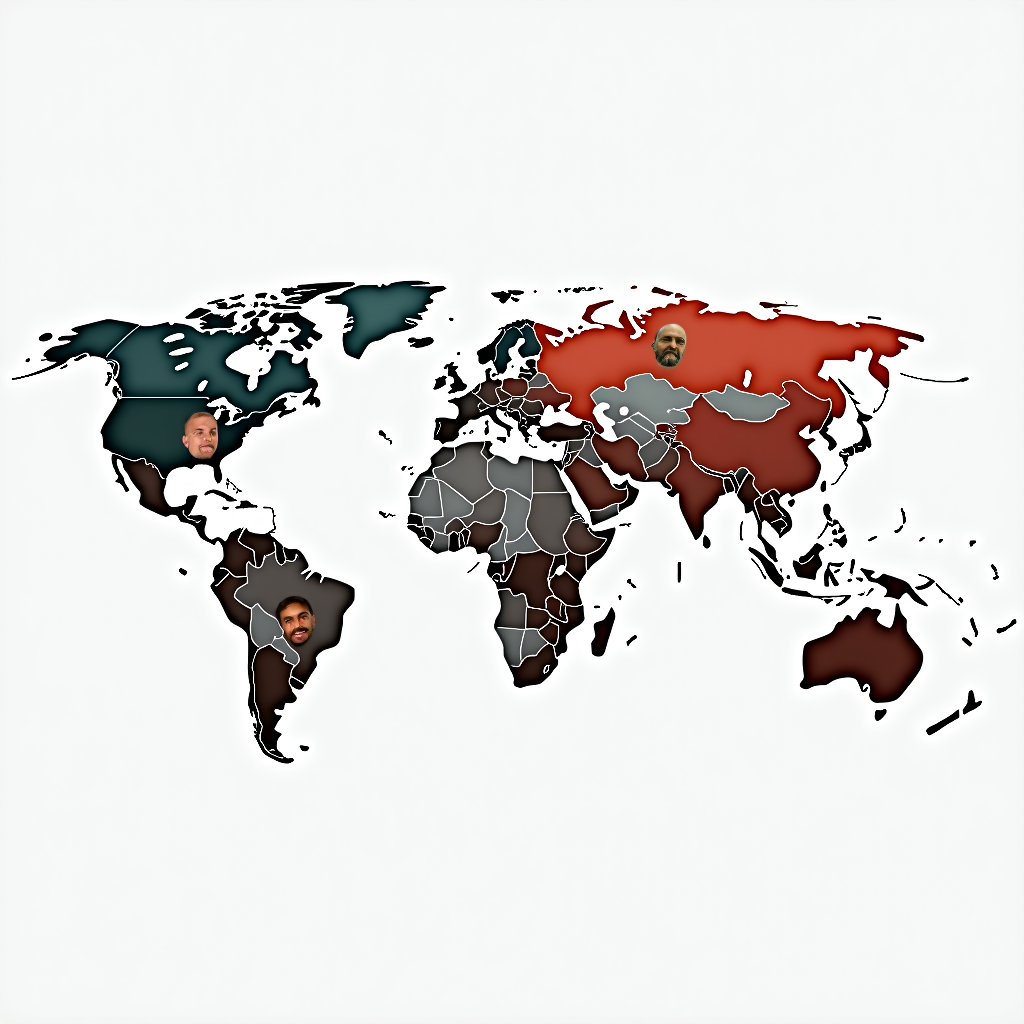
Players from collectivist cultures (East Asia, Latin America) show higher rates of creating characters that align with cultural beauty standards and social norms. Those from individualist cultures (North America, Western Europe) demonstrate more variation and willingness to create unconventional or experimental avatars.
Age also plays a significant role. Younger players (18-25) are more likely to create idealized or exploratory characters, while older players (35+) show higher rates of realistic self-representation. This suggests that character creation preferences may reflect life stage and identity development, with younger players still exploring possible selves while older players have more settled self-concepts.
The Therapeutic Potential
The psychological insights revealed through character creation have not gone unnoticed by mental health professionals. Therapists are increasingly incorporating gaming and avatar creation into therapeutic practice, using these tools to help clients explore identity, build self-esteem, and process trauma.
Dr. Lisa Martinez, a clinical psychologist who uses gaming in therapy, explains: "Character creation provides a non-threatening way to explore aspects of self that might be difficult to discuss directly. A client who creates a strong, confident character might be expressing aspirations they're afraid to voice. Someone who creates a wounded or scarred character might be externalizing internal pain."
Therapeutic Exercise
Some therapists ask clients to create three characters: one representing their current self, one representing their ideal self, and one representing their feared self. The differences between these avatars, and the client's emotional responses to each, provide rich material for therapeutic exploration.
Games like The Sims have proven particularly valuable in therapy with adolescents, who may struggle to articulate complex emotions verbally. By creating characters and scenarios, young clients can explore family dynamics, social anxieties, and identity questions in a safe, playful context.
The Evolution of Self Through Multiple Playthroughs
One of the most fascinating aspects of character creation psychology emerges when examining how individual players' choices change across multiple playthroughs or different games. These patterns reveal personal growth, changing life circumstances, and evolving self-concepts.
Dr. Chen's longitudinal research tracked players' character creation choices over five years. She found that major life events—relationships, career changes, personal losses—consistently influenced avatar creation. Players going through divorce often created either idealized single characters or exploratory opposite-gender avatars. Those starting new careers frequently created more professional, polished-looking characters.
"Your character creation history is like a visual diary of your psychological journey," Dr. Chen observes. "Each avatar is a snapshot of who you were and what you needed at that moment in your life."
The Future of Digital Identity
As gaming technology advances and character customization becomes increasingly sophisticated, the psychological implications deepen. Upcoming games promise even more detailed customization options, including personality traits, emotional expressions, and behavioral patterns. These developments will provide even richer opportunities for self-expression and identity exploration.
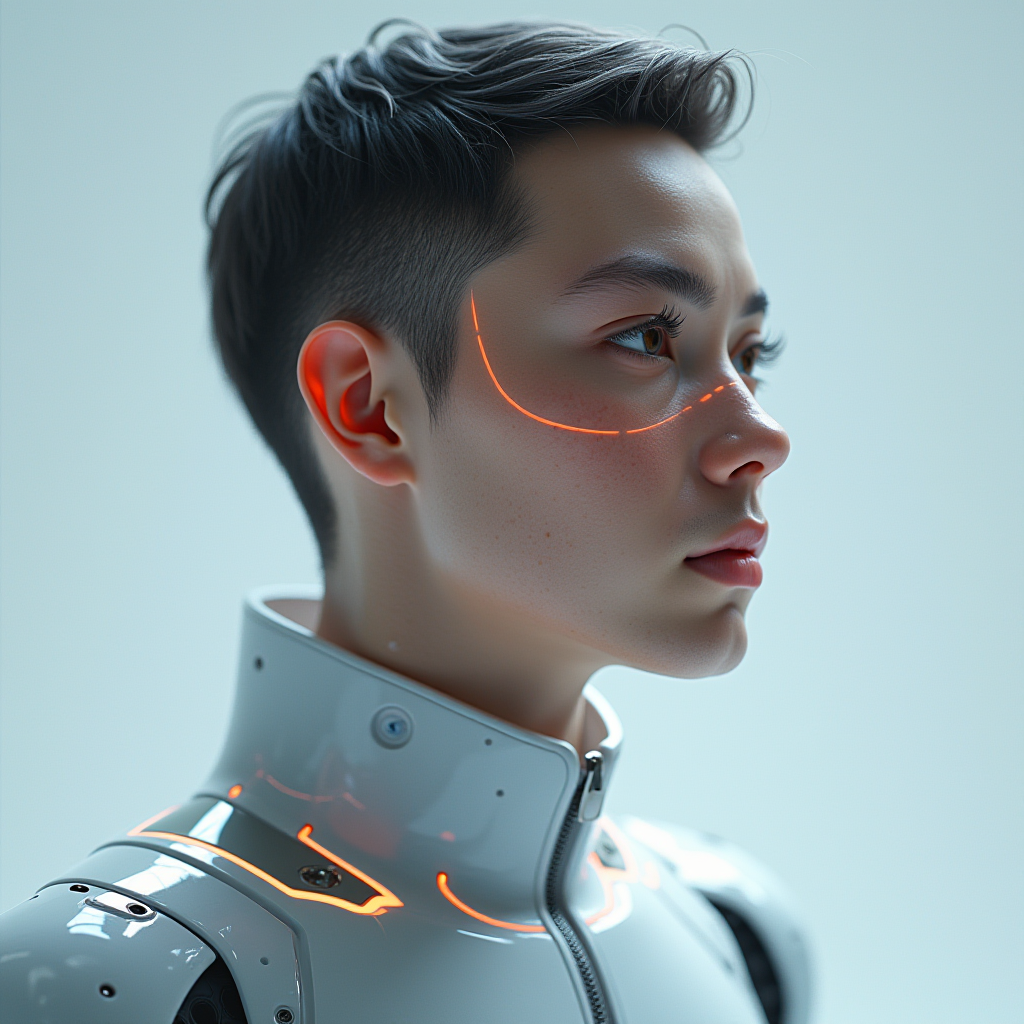
Virtual reality adds another dimension to this exploration. When you can literally see through your avatar's eyes and move through space in their body, the psychological connection intensifies. Early VR research suggests that embodying different avatars in virtual reality can produce measurable changes in real-world behavior and self-perception—a phenomenon researchers call the "Proteus Effect."
Some researchers predict that future character creation systems will incorporate AI that analyzes your choices and provides psychological insights. Imagine a system that could say, "Based on your customization patterns, you seem to be exploring themes of strength and vulnerability. Would you like to discuss what these choices might mean for you?"
Understanding Your Own Choices
So what do your character creation choices say about you? The answer is complex and deeply personal, but there are questions you can ask yourself to gain insight:
- Do you recreate yourself or create someone different? This reveals your comfort with your current identity and your need for escapism or exploration.
- What features do you spend the most time on? These are likely aspects of appearance or identity that hold particular psychological significance for you.
- Do your characters share common traits across games? Consistent patterns suggest core aspects of your ideal self or persistent psychological themes.
- How do you feel when playing your character? Your emotional response reveals whether the avatar is serving as wish fulfillment, self-expression, or exploration.
- Have your choices changed over time? Evolution in character creation reflects personal growth and changing life circumstances.
There's no "right" way to create a character. Whether you spend three minutes or three hours, whether you recreate yourself or craft a completely different persona, your choices are valid expressions of your psychological needs and creative impulses.
Conclusion: The Mirror and the Mask
Character creation sits at the intersection of art, psychology, and technology—a digital space where we can explore the fundamental question of identity: Who am I, and who could I be? Whether we're holding up a mirror to reflect our current selves or donning a mask to explore alternative identities, these choices reveal profound truths about our inner lives.
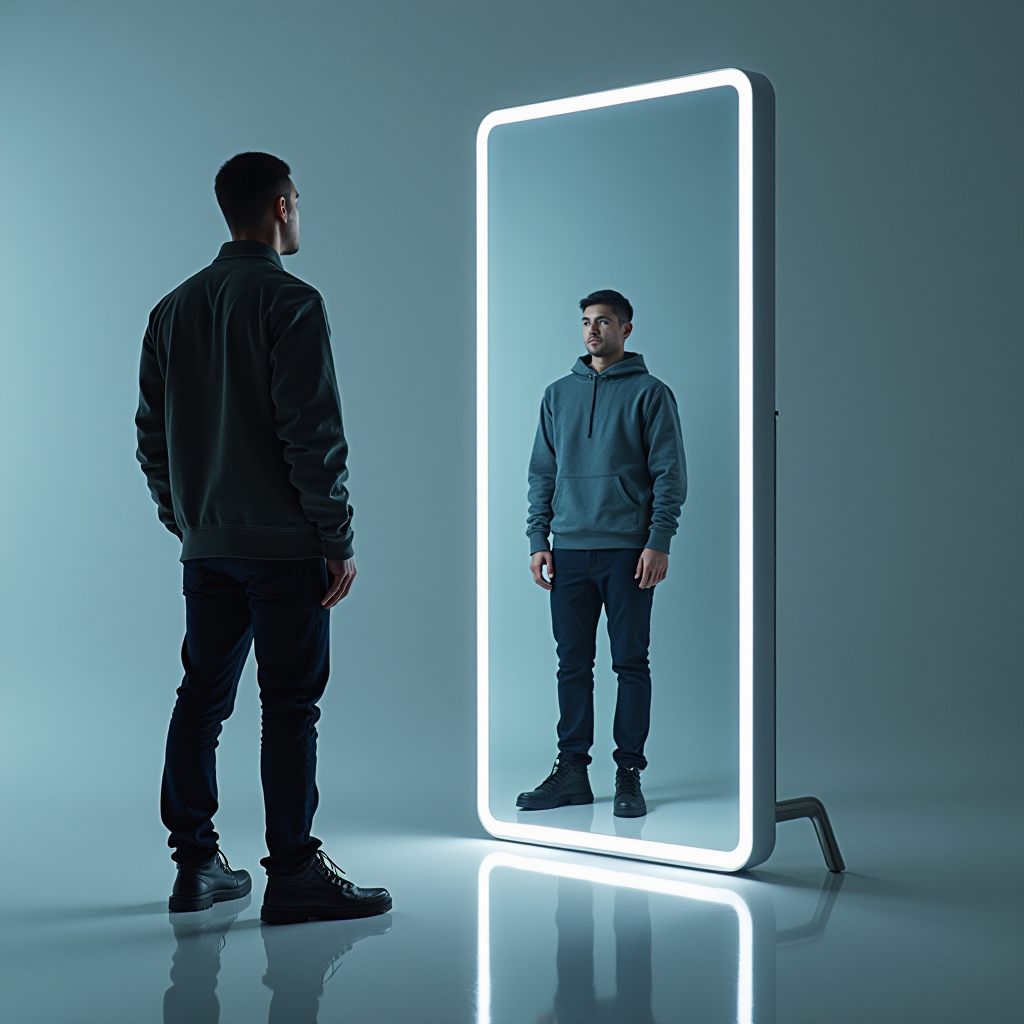
The next time you sit down to create a character, pay attention to your choices. Notice what draws your attention, what feels important, what makes you hesitate. These moments of decision are windows into your psyche, opportunities for self-discovery disguised as entertainment.
In the end, character creation is more than just a game mechanic—it's a form of digital self-portraiture, a psychological mirror, and a tool for identity exploration. Every slider adjusted, every feature selected, every style chosen is a brushstroke in the ongoing masterpiece of understanding who we are and who we might become.
Your avatar is not just a character—it's a conversation between your current self and your possible selves, a dialogue conducted in pixels and polygons, revealing truths that words alone might never capture.